ru
ru 


Вы должны выбрать правильный вариант. гидравлические цилиндры Для обеспечения оптимальной работы системы необходимо учитывать специфические требования вашего оборудования и условия эксплуатации. Неправильный выбор гидравлических цилиндров может привести к деформации штоков, утечкам и даже полному выходу оборудования из строя. Такие проблемы, как деформация штока и неправильная центровка, могут повредить уплотнения, вызвать преждевременный износ и привести к дорогостоящим простоям. Сосредоточьтесь на технических требованиях вашего приложения и долгосрочной надежности, чтобы ваша система работала безопасно и эффективно.
Деформация стержней может привести к серьезным повреждениям оборудования.
Неправильная посадка или выравнивание увеличивают вероятность протечек и неравномерного износа.
Основные выводы
Чтобы избежать дорогостоящих поломок, выбирайте гидравлические цилиндры, исходя из конкретных потребностей вашего оборудования и условий эксплуатации.
Для обеспечения безопасной и эффективной работы рассчитайте необходимую силу и давление, используя соответствующие формулы.
Выберите подходящую длину хода и способ крепления, соответствующие вашему оборудованию, чтобы избежать проблем при установке.
Разберитесь в различиях между типами цилиндров, чтобы подобрать их подходящие для вашего применения и обеспечить оптимальную производительность.
Регулярно проверяйте гидравлические цилиндры на износ и повреждения, чтобы продлить срок их службы и обеспечить надежность.
Как выбрать подходящий вариант для вашего приложения
Оборудование и потребности в использовании
Начните процесс выбора с двух важных вопросов: как будет использоваться цилиндр и где он будет использоваться. Эти вопросы помогут вам подобрать подходящий гидравлический цилиндр для вашего оборудования и условий эксплуатации. Необходимо учитывать тип оборудования, выполняемые им задачи и условия, в которых оно работает ежедневно.
Подумайте о типе оборудования. Это строительный экскаватор, сельскохозяйственный погрузчик или промышленный пресс?
Учитывайте условия эксплуатации. Будет ли баллон подвергаться воздействию погодных условий, пыли или химических веществ на открытом воздухе?
Проверьте наличие таких факторов, как ударные нагрузки, вибрация, загрязнение, перепады температуры и скачки давления. Эти факторы могут повлиять на надежность и потребовать специальных конструкций или материалов.
Кончик: Гидравлические цилиндры в мобильной технике часто должны поглощать удары, противостоять вибрации и защищать от грязи и влаги. Правильный выбор конструкции, соответствующей условиям эксплуатации, увеличивает срок службы.
Также следует изучить технические характеристики, такие как ход поршня, диаметр цилиндра, диаметр шатуна, длина цилиндра, объем масла, расход, скорость вращения, рабочее давление, способ крепления и рабочий цикл. Эти факторы помогут вам выбрать оптимальный вариант для вашего применения.
Требования к нагрузке и давлению
Далее, сосредоточьтесь на весе груза и на том, какое усилие потребуется вашему оборудованию. Вам необходимо знать вес или сопротивление, которое цилиндр сможет переместить или поднять. Этот шаг имеет решающее значение для безопасности и производительности.
Рассчитайте необходимую силу (F), используя формулу: F = p × A, где p — давление, а A — площадь поршня.
Измерьте площадь (A) поршня: A = π × (диаметр²) / 4.
Для получения точных результатов убедитесь, что используемые единицы измерения совпадают.
Используйте формулу p = F / A, чтобы найти требуемое давление.
Согласно закону Паскаля, давление, приложенное к замкнутой жидкости, распределяется равномерно, поэтому вы можете эффективно увеличивать силу. Всегда проверяйте номинальное давление вашего гидравлического цилиндра. Большинство стандартных цилиндров работают при давлении от 2500 до 3500 PSI. Никогда не превышайте рекомендуемое давление. Использование цилиндра с давлением выше номинального может привести к утечкам, повреждениям или даже катастрофической поломке.
Примечание: Превышение рабочего давления гидравлического шланга или цилиндра может привести к авариям и дорогостоящему ремонту.
Зная вес груза и необходимое давление, вы можете выбрать баллон, подходящий для вашей системы и обеспечивающий безопасность вашего оборудования.
Длина хода поршня и расстояние между ними
Следующий шаг в выборе гидравлического цилиндра — определение необходимой длины хода и проверка доступного монтажного пространства. Длина хода — это максимальное расстояние, на которое перемещается шток цилиндра. В большинстве случаев используется длина хода от 6 до 36 дюймов, но стандартные варианты варьируются от 1 до 72 дюймов. Возможна также изготовление цилиндров нестандартной длины для особых потребностей.
Задайте себе вопрос: как и где будет использоваться баллон? Ответы на эти вопросы помогут вам решить, нужна ли вам компактная конструкция или баллон с большей дальностью действия.
Тип конфигурации | Описание | Влияние на длину хода |
|---|---|---|
Телескопический | Обеспечивает увеличенную дальность действия в ограниченном пространстве. | Может обеспечивать более длинный ход в ограниченных пространствах. |
Радиальный | Работает по нескольким осям. | Обеспечивает гибкость в проектировании, одновременно позволяя управлять ограничениями по площади. |
Длина в сложенном (закрытом) состоянии должна соответствовать расчетному пространству вашего оборудования.
Цилиндры с большим ходом поршня могут нуждаться в дополнительной опоре для предотвращения скручивания или смещения.
Кончик: Перед окончательным определением длины хода всегда измеряйте доступное пространство. Правильный подбор длины предотвратит проблемы при установке и обеспечит бесперебойную работу.
Следуя этим шагам, вы узнаете, как выбрать подходящий гидравлический цилиндр для нужд вашего оборудования, его нагрузки и доступного пространства.
Типы гидравлических цилиндров
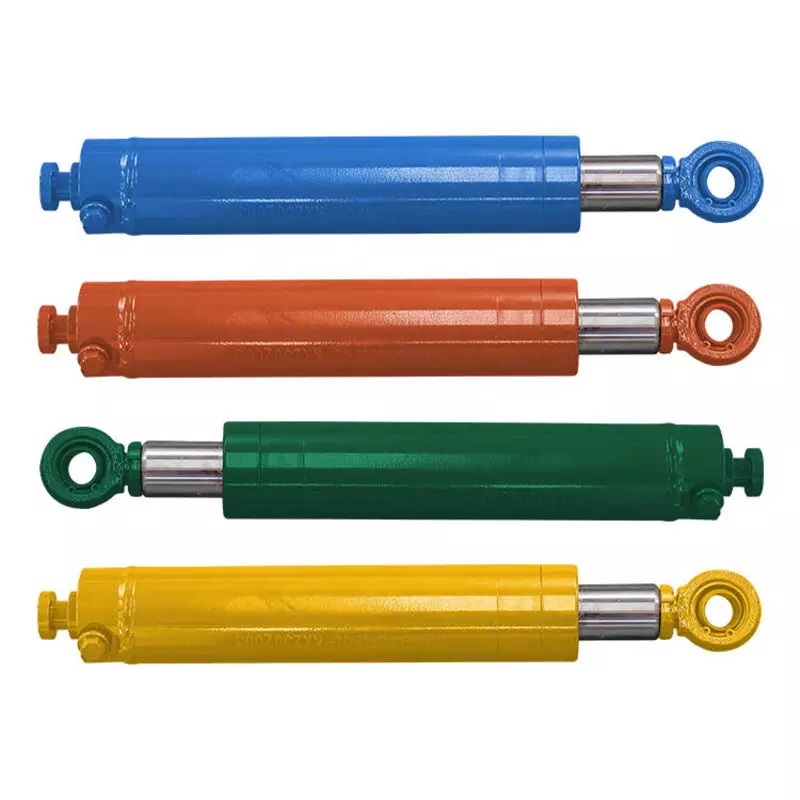
Типы главных цилиндров
В промышленном и мобильном оборудовании используются несколько основных типов гидравлических цилиндров. Каждый тип цилиндра имеет уникальные характеристики и предназначен для решения различных задач. Наиболее распространенные типы включают односторонние, двухсторонние, телескопические, стяжные и сварные цилиндры.
Вот краткое сравнение цилиндров одностороннего и двустороннего действия:
Особенность | Односторонний цилиндр | Цилиндр двойного действия |
|---|---|---|
Операция | Перемещает поршень в одном направлении. | Перемещает поршень в двух направлениях. |
Механизм возврата | Использует пружину или силу тяжести. | Использует гидравлическое давление |
Сложность | Проще и экономичнее | Более сложный и дорогостоящий |
Приложения | Подходит для выполнения простых задач. | Идеально подходит для применений, требующих двунаправленного приложения силы. |
Цилиндры одностороннего действия используют гидравлическое давление для перемещения в одном направлении. Возвращение происходит за счет пружины или силы тяжести. Вы часто встретите их в простых подъемных системах. Цилиндры двустороннего действия используют гидравлическое давление как для выдвижения, так и для втягивания. Они обеспечивают больший контроль и хорошо работают в оборудовании, требующем приложения силы в обоих направлениях.
Телескопические цилиндры имеют несколько ступеней, обеспечивающих большой вылет. В цилиндрах со стяжными штоками штоки скрепляют конструкцию, что упрощает их обслуживание. Сварные цилиндры имеют прочный герметичный корпус и предназначены для работы под высоким давлением.
Наилучшее применение каждого типа
Для обеспечения надежной работы следует подбирать тип цилиндра в соответствии с областью применения. В таблице ниже показано, где каждый тип работает лучше всего:
Тип гидравлического цилиндра | Типичные области применения |
|---|---|
Односторонние цилиндры | Используется в домкратах или подъемных системах для тяжелых грузов. |
Цилиндры двойного действия | Часто встречается в выдвижных ящиках, рулевых цилиндрах и стрелах экскаваторов. |
Телескопические цилиндры | Используется в самосвалах и строительной технике для обеспечения длинного хода поршня. |
Цилиндры рулевых тяг | Встречается на заводах благодаря простоте разборки для обслуживания. |
Сварные цилиндры | Используется в бульдозерах и горнодобывающей технике благодаря высокой прочности. |
Чтобы выбрать подходящий тип, выполните следующие действия:
Опишите область применения. Укажите функцию, нагрузку, пройденное расстояние, скорость и условия окружающей среды.
Рассчитайте необходимую силу, диаметр отверстия и длину хода поршня.
Выберите способ крепления и характеристики, подходящие для вашего оборудования.
Тщательно проверьте свой выбор, чтобы убедиться, что цилиндр подходит и работает должным образом.
Кончик: Телескопические цилиндры хорошо подходят для самосвалов и погрузочно-разгрузочных работ, поскольку обеспечивают большой ход в компактном пространстве.
Понимание каждого типа цилиндров и оптимального способа их применения позволит повысить надежность и безопасность вашей гидравлической системы.
Основные технические характеристики гидравлических цилиндров
Диаметр отверстия и диаметр штока
При выборе гидравлических цилиндров необходимо уделять особое внимание диаметру внутреннего диаметра. Диаметр определяет эффективную площадь поверхности внутри цилиндра. Больший диаметр увеличивает площадь поверхности, а значит, цилиндр может создавать большую силу. Рассчитать выходную силу можно по формуле:Сила = Давление × Площадь
Площадь зависит от диаметра цилиндра. Если для вашей задачи требуется большая подъемная или толкающая сила, выберите цилиндр с большим диаметром.
Диаметр шатуна также играет ключевую роль в долговечности. Более толстый шатун устойчив к изгибу и деформации, особенно в цилиндрах с большим ходом поршня или при выполнении тяжелых работ. Если диаметр шатуна окажется меньше необходимого, вы рискуете увеличить износ и, возможно, выйти из строя. Всегда подбирайте диаметр шатуна в соответствии с нагрузкой и длиной хода поршня для обеспечения безопасной работы.
Шток часто является наиболее уязвимой частью гидравлического цилиндра. В то время как диаметр цилиндра определяется усилием толкания, диаметр штока часто определяется прочностью на изгиб, особенно в цилиндрах с большим ходом поршня.
Рабочее давление
Перед выбором цилиндра необходимо проверить его номинальное давление. Диаметр цилиндра и номинальное давление вместе определяют максимальную силу, которую может развить цилиндр. Большинство цилиндров имеют три номинальных значения давления:
Рабочее давлениеМаксимальное давление для нормальной эксплуатации.
Испытательное давление: Более высокое испытательное давление, которое цилиндр может выдержать в течение короткого времени.
Давление разрыва: Давление, при котором цилиндр выйдет из строя.
Во избежание повреждений или несчастных случаев никогда не превышайте рабочее давление.
Способ крепления
Способ крепления влияет на то, как вы устанавливаете и обслуживаете свой баллон. Правильный монтаж обеспечивает устойчивость и безопасность. Вот краткое сравнение:
Способ крепления | Влияние на стабильность | Последствия технического обслуживания |
|---|---|---|
Фланец | Высокий | Упрощенная настройка и техническое обслуживание. |
Клевис | Умеренный | Для предотвращения износа требуется тщательная юстировка. |
Крепление для ног | Переменная | Может потребоваться частая проверка на износ. |
Правильно выбранный способ крепления обеспечивает бесперебойную работу цилиндра с оборудованием и снижает потребность в техническом обслуживании.
Материал уплотнения и его долговечность
Уплотнения удерживают гидравлическую жидкость внутри и предотвращают попадание загрязнений. Правильный материал уплотнения предотвращает утечки и продлевает срок службы цилиндра. К распространенным типам уплотнений относятся:
Тип уплотнения | Свойства и области применения |
|---|---|
Полиуретановые уплотнения | Высокое давление, износостойкость, для интенсивной эксплуатации. |
Уплотнения из нитриловой резины | Универсальный, подходит для большинства жидкостей, для широкого спектра применений. |
Уплотнения из ПТФЭ | Химически стойкий, с низким коэффициентом трения, для высоких температур. |
Регулярно проверяйте уплотнения на износ или повреждения. Заменяйте их по мере необходимости, чтобы предотвратить утечки и обеспечить надежную работу гидравлических цилиндров.
Материалы и долговечность цилиндров
Сталь против алюминия
Для изготовления гидравлического цилиндра необходимо выбрать материал, соответствующий условиям эксплуатации и рабочей нагрузке вашего оборудования. Наиболее распространенными вариантами являются сталь и алюминий. Каждый материал имеет свои уникальные преимущества и недостатки. В таблице ниже приведено их сравнение:
Материал | Преимущества | Недостатки |
|---|---|---|
Алюминий | Легкий вес, снижает общий вес оборудования, идеально подходит для мобильного использования. | Обладает меньшей прочностью, не подходит для тяжелых работ. |
Сталь | Высокая прочность, выдерживает высокое давление. | Более тяжелый, не идеально подходит для мобильного оборудования. |
Алюминиевые баллоны следует использовать для более лёгких, портативных машин или в случаях, когда необходима коррозионная стойкость. Стальные баллоны лучше всего подходят для систем большой мощности или высокого давления.
Коррозионная стойкость
Коррозия может сократить срок службы гидравлических цилиндров, особенно на открытом воздухе или вблизи соленой воды. Нержавеющая сталь, особенно марка 316, обеспечивает превосходную защиту в морских условиях. Также можно использовать системы герметизации повышенной прочности для предотвращения попадания влаги. Твердое хромирование штоков добавляет дополнительный уровень защиты, продлевая срок службы цилиндров в суровых погодных условиях.
Коррозия часто начинается с небольшого пятна, но может привести к протечкам и нарушению герметичности. Защита цилиндра от ржавчины поможет избежать дорогостоящего ремонта и простоев.
В таблице ниже представлены распространенные коррозионностойкие материалы:
Материал | Преимущества |
|---|---|
Нержавеющая сталь 304 | Высокая коррозионная стойкость, доступная цена |
Нержавеющая сталь 316 | Идеально подходит для соленой воды, очень прочный. |
Дуплексная нержавеющая сталь | Высокая прочность, превосходная защита от коррозии. |
Факторы технического обслуживания
Выбор материала влияет на частоту технического обслуживания цилиндра. Стальные цилиндры с современным покрытием требуют менее частого ремонта. Алюминий устойчив к коррозии, но может быстрее изнашиваться при выполнении тяжелых работ. Во время регулярных осмотров следует проверять наличие повреждений поверхности, износа уплотнений и утечек. Использование полых штоков может снизить вес, что облегчает управление машинами и повышает скорость. Цельные штоки увеличивают прочность, но повышают вес и могут замедлять движение.
Кончик: Использование высокопрочных материалов и современных методов нанесения покрытий может продлить срок службы ваших гидравлических цилиндров, особенно в условиях эксплуатации на открытом воздухе или в морской среде.
Варианты исполнения гидравлических цилиндров на заказ
Когда стоит задуматься о персонализации
В случае, если ваше оборудование предъявляет уникальные требования или работает в сложных условиях, вам может потребоваться гидравлический цилиндр, изготовленный на заказ. Стандартные цилиндры часто не соответствуют требованиям специализированной техники. Индивидуальные решения в области гидравлических цилиндров помогут вам добиться лучшей производительности и надежности.
Строительная техника выигрывает от использования гидравлических цилиндров специальной конструкции, обеспечивающих дополнительную мощность и управляемость при работе с тяжелыми грузами.
В сельскохозяйственной технике используются специально разработанные гидравлические цилиндры для выполнения различных задач, что повышает эффективность и сокращает ручной труд.
Для применения в морской отрасли требуются гидравлические цилиндры, изготовленные на заказ, которые устойчивы к коррозии и хорошо работают в условиях высокой влажности и соленой воды.
Аэрокосмическая промышленность полагается на специально разработанные гидравлические цилиндры для обеспечения точного перемещения и соблюдения строгих стандартов безопасности.
В складских помещениях в погрузочно-разгрузочном оборудовании используются специальные гидравлические цилиндры для оптимизации скорости и грузоподъемности подъема грузов.
Горнодобывающее оборудование зависит от специально разработанных гидравлических цилиндров, способных выдерживать высокое давление и сложные условия эксплуатации.
Нефтегазовая отрасль нуждается в гидравлических цилиндрах, изготовленных по индивидуальному заказу, для работы под высоким давлением во время бурения и добычи нефти и газа на шельфе.
В системах возобновляемой энергетики используются специальные гидравлические цилиндры для обеспечения плавного перемещения и позиционирования.
Если ваше применение предполагает нестандартные характеристики, экстремальные нагрузки или работу в суровых условиях, следует проконсультироваться с поставщиками. Поставщики помогут вам выбрать подходящую конструкцию гидравлического цилиндра, отвечающую вашим потребностям.
Особые требования и условия окружающей среды
Гидравлические цилиндры, изготовленные на заказ. Они играют жизненно важную роль в суровых условиях. Для обеспечения надежной работы могут потребоваться специальные материалы, уплотнения или крепления. Стандартные цилиндры имеют ограничения в экстремальных условиях.
В таких областях применения, как гражданское строительство, военная промышленность, горнодобывающая промышленность и морское бурение, требуются прочные и надежные конструкции цилиндров. Эти цилиндры должны выдерживать высокое рабочее давление и противостоять воздействию едких и коррозионных веществ.
Гидравлические цилиндры, изготовленные на заказ, могут быть выполнены из нержавеющей стали и хорошо работать в экстремальных температурах. Конструкция может быть адаптирована для повышения надежности и снижения затрат на техническое обслуживание. Гидравлические цилиндры для тяжелых условий эксплуатации имеют усиленную конструкцию и усовершенствованные системы герметизации, позволяющие выдерживать большие нагрузки и загрязнения.
При изготовлении гидравлических цилиндров на заказ используются материалы, устойчивые к коррозии и экстремальным температурам.
Для повышения производительности можно доработать уплотнения и крепления.
Индивидуальная настройка снижает потребность в техническом обслуживании и ремонте, обеспечивая долгосрочную надежность.
Всегда следует анализировать требования к вашему оборудованию и консультироваться со специалистами, чтобы определить, необходим ли гидравлический цилиндр, изготовленный на заказ. Такой подход помогает добиться надежной работы и продлить срок службы оборудования.
Итоговый контрольный список: Как выбрать подходящий гидравлический цилиндр
Краткий обзор ключевых этапов
Следуйте этому контрольному списку, чтобы выбрать подходящий гидравлический цилиндр для надежного подъема и управления:
Определите свои потребности в применении оборудования. Учтите тип оборудования, условия эксплуатации и конкретные задачи по подъему и перемещению грузов, которые вы планируете выполнять.
Определите, какой уровень точности и контроля необходим для ваших задач. Этот шаг поможет вам подобрать цилиндр в соответствии с требованиями к нагрузке и перемещению.
Выберите правильный диаметр цилиндра. Размер цилиндра влияет на прочность, усилие и грузоподъемность. Всегда консультируйтесь с производителем цилиндра для получения рекомендаций.
Измерьте максимальную длину хода. Убедитесь, что цилиндр может выдвигаться и втягиваться по мере необходимости для выполнения подъемных работ.
Проверьте способ крепления и материал уплотнения. Эти детали влияют на установку, предотвращение протечек и долгосрочную работоспособность.
Обратитесь к производителю баллонов, чтобы узнать, какой материал лучше всего подходит для ваших условий эксплуатации. Сталь и алюминий обладают различными преимуществами при подъеме и управлении.
Убедитесь в наличии рабочего давления и диаметра штока. Эти факторы влияют на безопасность и точность подъема.
Всегда проверяйте, какая точность и контроль необходимы для вашего применения. Это гарантирует, что вы получите подходящий цилиндр для точного подъема.
Сотрудничество с проверенным производителем баллонов гарантирует качество и производительность.
Кончик: Никогда не идите на компромисс в вопросах качества. Высококачественные баллоны от проверенного производителя обеспечивают более высокую точность и контроль подъема.
Распространенные ошибки, которых следует избегать
Избежать дорогостоящих проблем можно, если обращать внимание на следующие распространенные ошибки при выборе и ремонте гидравлических цилиндров:
Использование некачественных деталей или некачественный ремонт. Всегда выбирайте качественные комплектующие от производителя цилиндров.
Игнорирование надлежащей обработки штоков и трубок. Некачественная обработка может повредить уплотнения и снизить точность.
Неправильная установка уплотнителей. Эта ошибка приводит к протечкам и потере контроля.
Недостаточная очистка компонентов перед сборкой может привести к ухудшению их грузоподъемности из-за грязи и мусора.
Неправильная центровка. Несоосность приводит к износу и снижает точность подъема.
Неправильное усилие затяжки при сборке. Для качественного результата используйте правильные инструменты.
Пропуск технического обслуживания после ремонта. Регулярные проверки обеспечивают безопасность вашей подъемной системы.
Не следует проверять цилиндр перед установкой. Всегда проверяйте его на герметичность и наличие проблем с управлением.
Попытка сэкономить деньги за счет экономии на качестве. Инвестиции в качество гарантируют долговременную эффективность при подъеме грузов.
Помнить: Качество, точность и контроль имеют первостепенное значение для безопасного и надежного подъема грузов. Всегда консультируйтесь с производителем баллонов для получения экспертной рекомендации.
Тщательный выбор гидравлических цилиндров повышает надежность и безопасность оборудования.
Тщательный подбор предотвращает износ уплотнений, протечки и смещение.
Диаметр отверстия и длина хода поршня влияют на прочность и несущую способность.
Подробные руководства помогут вам разобраться в понятиях силы, давления и вариантов крепления.
Прежде чем принимать решение, тщательно изучите все факторы. Если вы сомневаетесь, проконсультируйтесь со специалистом. Всегда ставьте качество и соответствие требованиям на первое место. Такой подход защитит ваши инвестиции и обеспечит безопасную работу вашего оборудования.
Часто задаваемые вопросы
Какой фактор является наиболее важным при выборе гидравлического цилиндра?
Необходимо подобрать баллон, соответствующий нагрузке и рабочему давлению вашего оборудования. Этот шаг обеспечивает безопасную работу и предотвращает повреждения. Всегда проверяйте технические характеристики производителя для вашего применения.
Как часто следует осматривать гидравлические цилиндры?
Гидравлические цилиндры следует осматривать ежемесячно. Ищите утечки, изношенные уплотнения и повреждения штока. Регулярные проверки помогают выявлять проблемы на ранней стадии и продлевают срок службы цилиндров.
Можно ли использовать алюминиевые цилиндры в условиях высоких нагрузок?
Алюминиевые баллоны лучше всего подходят для легкой или мобильной техники. Стальные баллоны выдерживают большие нагрузки и высокое давление. Для сложных задач выбирайте стальные.
Что является причиной утечек в гидравлических цилиндрах?
Утечки часто возникают из-за износа уплотнений, неправильной центровки или повреждения штоков. Предотвратить утечки можно, используя качественные детали, правильно устанавливая детали и проводя регулярное техническое обслуживание.


 Поддерживается сеть IPv6
|
Поддерживается сеть IPv6
|